


Products for managing runoff across roofs, landscapes and site infrastructure. Explore drainage, retention, detention and filtration options, with practical guidance to help you select products suited to your project.
Stormwater
Already know what products you need?
How to build a rain garden
Stormwater products
DIY guide: build a rain garden
A rain garden is a shallow, planted basin that catches runoff from a roof, driveway or patio and lets it soak into the ground instead of rushing into the storm sewer. It's one of the easiest stormwater projects you can do at home.
Pick the spot: Choose a low area where water already flows, such as below a downspout, at least 10 feet from your foundation. Stay away from septic systems and call 811 to have utility lines marked before you dig.
Test the soil: Dig a hole about 8 inches deep and fill it with water. If it drains within 24 hours, the spot will work. If not, plan to mix in compost or choose another location.
Size it: Most home rain gardens are 4 to 8 inches deep and cover about 20 to 30 percent of the roof or paved area that drains into them.
Dig and shape: Dig a shallow basin with a flat bottom. Mix compost into heavy soil, and use the soil you remove to build a low berm on the downhill side to hold water in.
Direct the water: Run your downspout or a shallow swale into the basin. Line the inlet with stones so the flow doesn't wash out the soil.
Plant: Use native plants that handle both wet spells and dry weeks. Put the thirstiest plants in the center and tougher, drier plants around the edges. We don't sell plants. Ask us
where to source them for your region.
Edge and mulch: Install edging to keep the basin's shape, then spread 2 to 3 inches of shredded hardwood mulch. Water new plants weekly until they are established.
Floating islands for ponds and stormwater basins
Floating islands, also called floating treatment wetlands, are buoyant mats planted with native wetland plants. They float on retention ponds, detention basins and backyard ponds, and they rise and fall with the water level, so they keep working through storms and dry spells.
Clean the water: Plant roots grow down through the mat and hang in the water. The roots, and the microbes that live on them, take up nitrogen and phosphorus and trap fine sediment, which helps cut down on algae.
Add habitat: Islands give birds, pollinators and fish shade and cover, and they turn a plain basin into something that looks planted on purpose.
Plant and launch: Set plugs of native wetland plants into the mat, float it into place, and anchor it to the bottom or the shore so it stays put in high water and wind.
Maintain: Pull weeds and replace any plants that don't make it during the first season. After that, islands need very little care.
Drainage + water retention
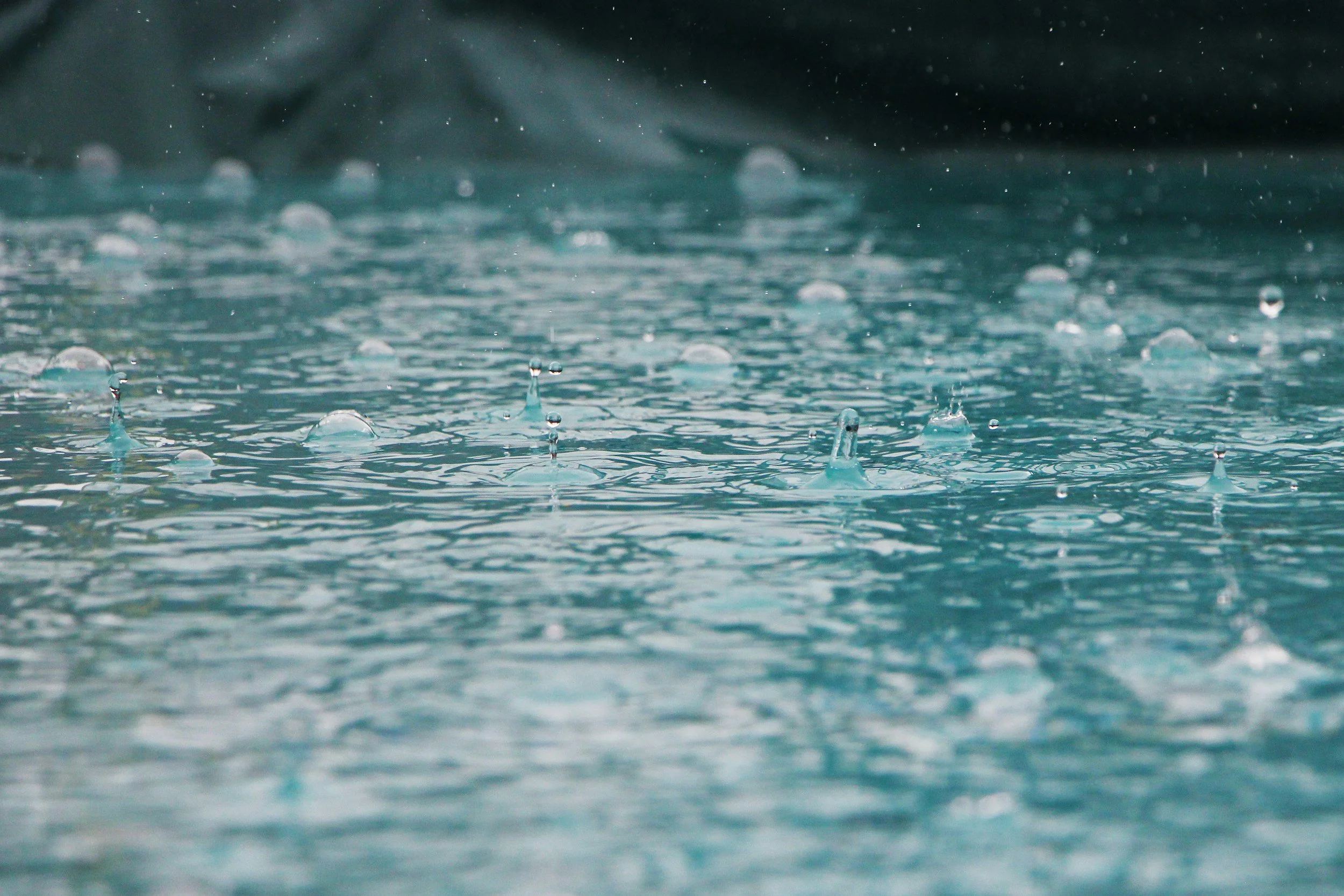
Stormwater Solutions, Roof to Rain Garden.
No two stormwater challenges are alike, whether on the roof, in a rain garden, or out on the water. The solutions you choose to manage them shouldn’t be, either. We’ll help you find the products best suited to helping your project handle every storm, sustainably.
Floating islands, also called floating treatment wetlands, are buoyant planted mats that float on ponds, lakes, retention basins and other water bodies. They work like a natural wetland: plant roots grow down into the water and host a complex community of microbes that take up and lock away excess nutrients, and even certain contaminants.
Across the Midwest, ponds and lakes struggle with high nutrient loads, algal blooms and missed water quality targets. Instead of expensive dredging or chemical treatment, a floating island treats the water naturally and keeps working year-round.
Reduces excess nitrogen and phosphorus and helps prevent algal blooms
No chemicals or mechanical dredging
Creates habitat for pollinators, birds, fish and local wildlife
Fully customizable: island size, shape and plant mix are designed for your water body
Can be installed in almost any pond, lake or stormwater basin
Every island is custom built. Request a quote and tell us your pond or lake size, depth and goals.
Request a quote.